Stefan Stefanov

A beginner tennis player needs five things to get started, a racquet, tennis balls, court shoes, athletic clothing, and a water bottle. None of these items need to be expensive or top-of-the-line at the beginner stage, and your full tennis equipment list probably costs less than two private lessons.
Below is a walkthrough of each item on the list, what to look for, and what you can safely skip when picking the right equipment for tennis.
Key Takeaways
A racquet ($50-$100), tennis balls ($3-$5), and court shoes ($60-$100) are the three must-haves
Oversize racquet heads (105+ square inches) and lightweight frames (under 11 ounces) tend to work best for new players
Extra-duty balls for hard courts, regular-duty for clay and indoor surfaces
Tennis-specific shoes with lateral support matter more than most beginners expect
A complete starter setup typically costs between $125 and $225
Having the right gear gets you on the court. But once you start playing, the question that comes up fast is: how do I actually know if I am improving? Reading blogs and watching YouTube can teach you the basics, but nothing replaces seeing your own real shots, your real mistakes, and what a certified coach would tell you to fix.
Spintip answers that question from your very first session. Place your phone behind the baseline, tap Start, and play with your new racquet. After you finish, review every point, see how you performed, and connect with a certified coach who can watch your actual game and tell you what to work on next.
Download Spintip for free and see your game from day one.
How to Choose a Tennis Racquet for Beginners
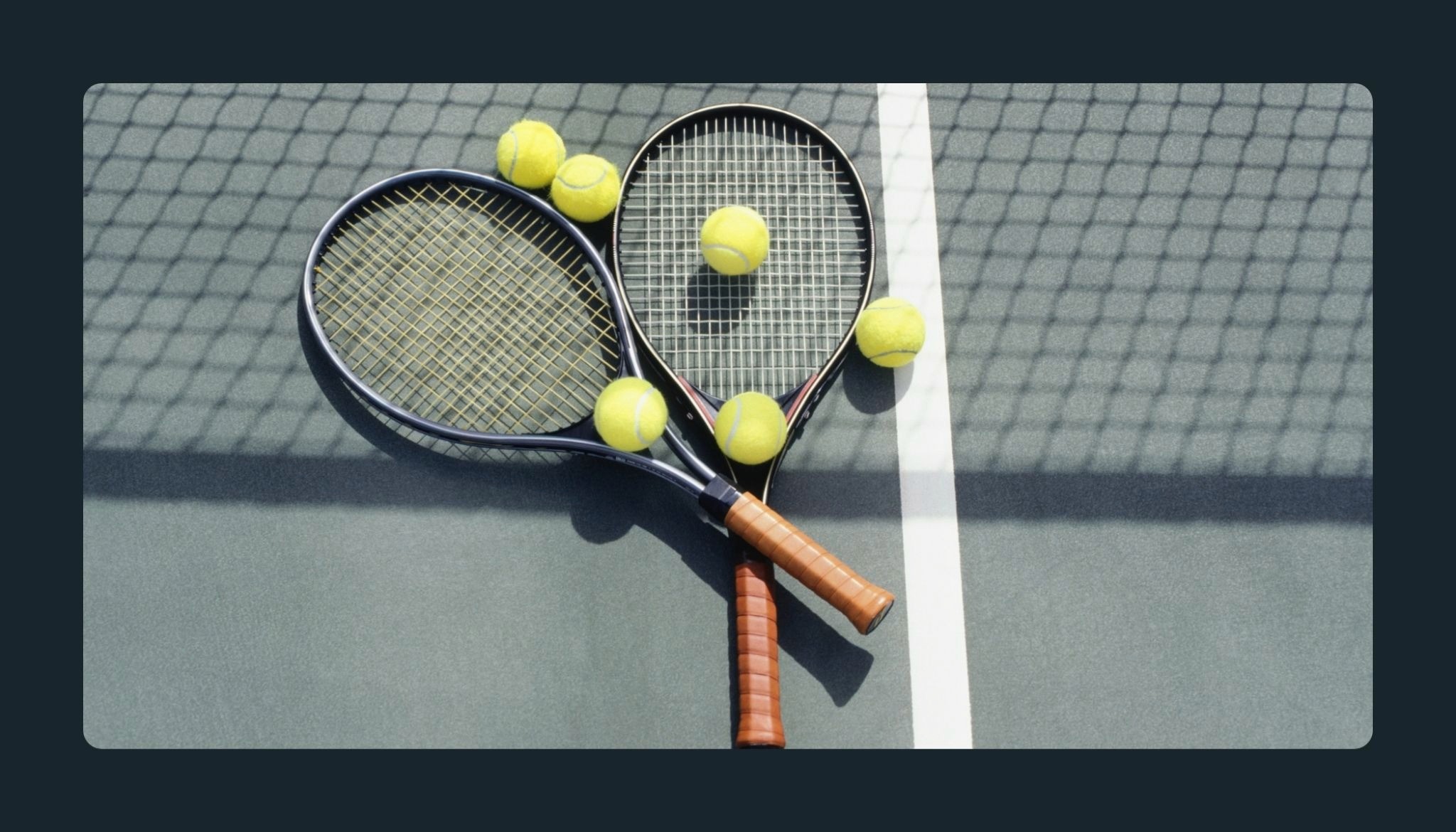
A racquet is the single most important purchase you will make as a new player. A perfectly good starter racquet typically costs between $50 and $100 and often comes pre-strung, so you can hit the court right away. If you are not ready to buy, borrowing from a friend or renting from a local pro shop works well while you figure out what feels right.
What to Look for in a Beginner Racquet
Knowing how to choose a tennis racquet for beginners comes down to three things: head size, weight, and grip size.
Head size: A larger head (generally 102 to 115 square inches) offers a bigger hitting area, often called the "sweet spot." A bigger sweet spot tends to be more forgiving on off-center hits. Most manufacturers recommend oversize frames (105 square inches and above) for true beginners.
Weight: A lighter racquet (under 11 ounces strung) can be easier to swing and may put less strain on your arm. Heavier racquets offer more stability, but they can tire you out faster early on.
Grip size: Grip sizes for adults typically range from 4 1/8 to 4 1/2 inches, with 4 3/8 inches being the most common. When you hold the racquet, there should be enough space between your fingertips and your palm to fit the index finger of your other hand. If your fingers wrap all the way around and touch your palm, you likely need a larger grip.
A quick tip: if you are between two grip sizes, go with the smaller option. You can always add an overgrip to build it up.
Where to Buy
You can find best tennis racquets for beginners at local pro shops, sporting goods stores, or online retailers. Holding a racquet in person before buying often helps you gauge the weight and balance. Shopping for a child? Junior racquet length should match the child's height, ranging from 19 inches for the youngest children up to the 27-inch adult standard, according to the USTA.
Picking the Right Tennis Balls
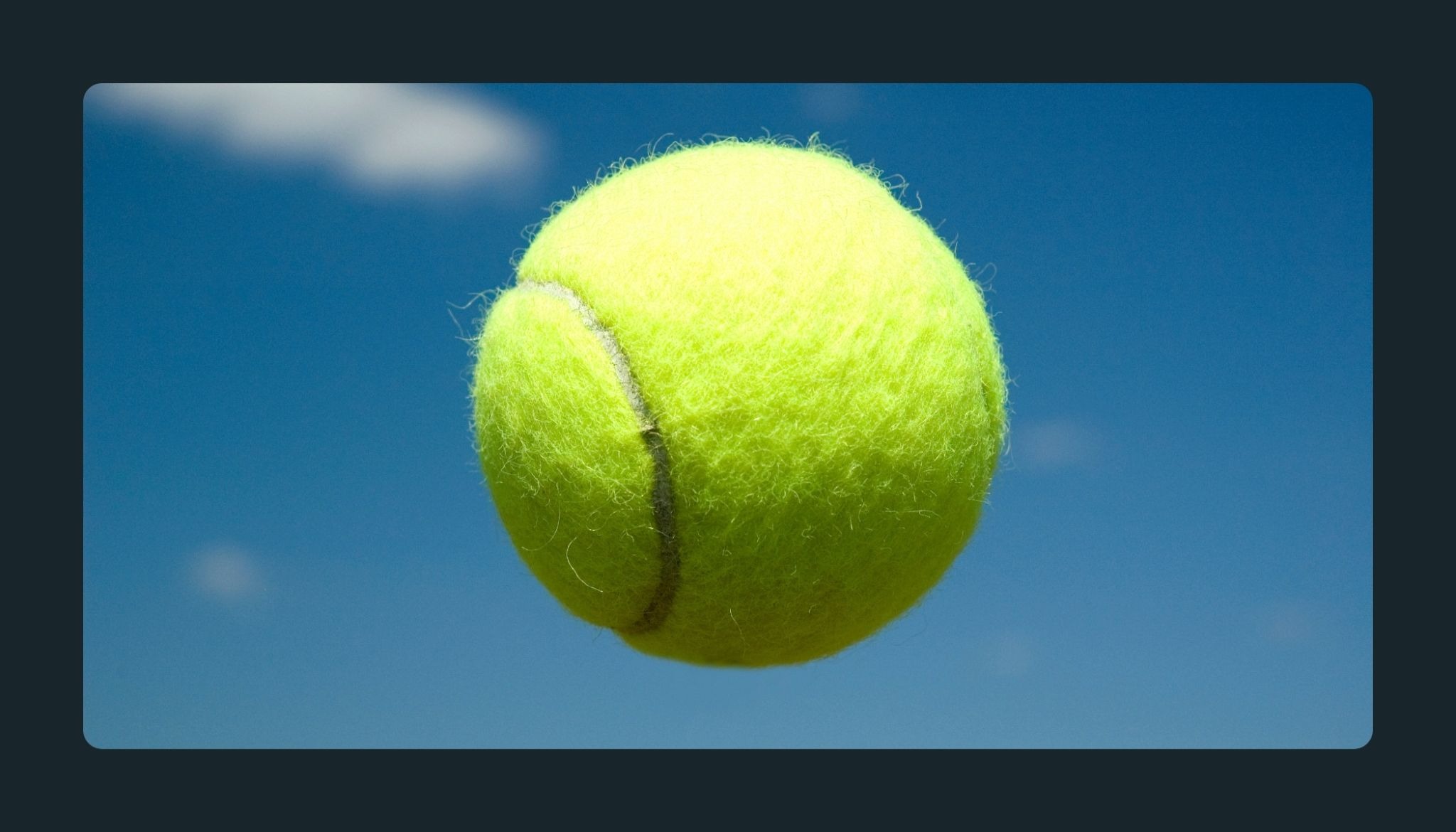
Tennis balls may all look the same, but the type you choose can affect your experience on court.
Regular Duty vs. Extra Duty
The main distinction between tennis ball types comes down to felt thickness, according to the International Tennis Federation (ITF):
Regular Duty: Made with thinner felt, these balls are designed for clay courts and indoor surfaces. The tighter weave keeps the ball from picking up too much court material.
Extra Duty: Made with thicker, more durable felt, these balls hold up better on hard courts (concrete or asphalt), which are the most common public court surfaces in the United States.
Using the wrong ball type for your surface can lead to faster wear. Regular duty balls on hard courts tend to go bald quickly, and extra duty balls on clay can pick up dirt and become heavy.
Freshness Matters
No matter which brand you choose, always try to play with fresh balls. Tennis balls lose pressure over time, and dead balls bounce lower and feel inconsistent. An unopened can typically holds pressure for about two years, but once cracked open, balls may start losing their bounce within a few weeks of regular use.
Younger players have a different option. For kids under 10, the USTA recommends lower-compression training balls that bounce lower and move slower, making the game more manageable while they develop coordination.
Tennis Shoes: Why Regular Sneakers Won't Work
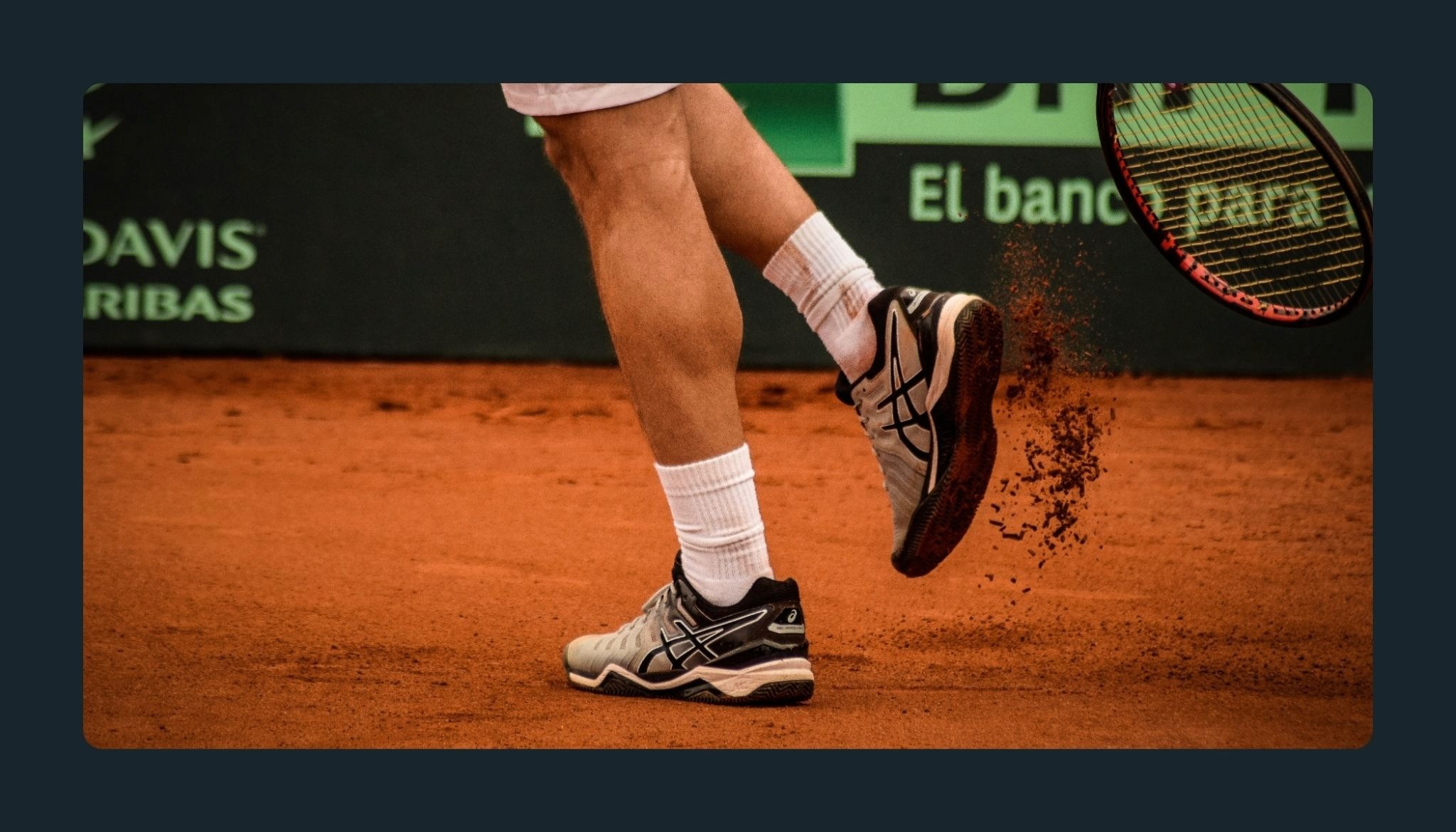
Shoes are the piece of equipment for tennis training that beginners most often overlook. Running shoes and cross-trainers are built for forward motion, not the quick side-to-side movements that tennis demands.
What Makes Tennis Shoes Different
Tennis shoes are designed with features specific to court movement:
Lateral support: Reinforced sides help stabilize your feet during quick direction changes, reducing the risk of ankle rolls.
Durable outsoles: Tennis shoe soles resist the scraping and sliding on hard courts, lasting longer than running shoes.
Low-profile cushioning: Most tennis shoes sit closer to the ground than running shoes, offering better balance during lunges and split steps.
Matching Shoes to Your Court
Most tennis shoes come with an all-court tread pattern that works on hard courts, carpet, and some clay surfaces. If you play primarily on clay, shoes with a herringbone outsole pattern may provide more secure footing. Some indoor and club courts require non-marking soles, so check with your facility before you play.
What to Wear for Tennis

You do not need a closet full of tennis-specific apparel to start playing. Most regular workout clothes work just fine on a public court.
Clothing Basics
A few guidelines go a long way:
Moisture-wicking fabrics: Synthetic blends or performance fabrics pull sweat away from your skin better than cotton, which tends to get heavy and clingy when wet.
Shorts or skirts with pockets: You will need somewhere to hold a second ball when serving. Pockets or a ball clip solve that problem easily.
Freedom of movement: Whatever you wear should allow you to swing, lunge, and run without restriction.
Worth noting: some private clubs do enforce dress codes, such as collared shirts or all-white attire. Public courts and most recreational facilities have no clothing restrictions beyond standard athletic wear.
Sun Protection
Since most tennis is played outdoors, a hat or visor keeps the glare out of your eyes, and sunscreen on exposed skin helps prevent burns during longer sessions.
Accessories That Are Nice to Have
Beyond the four essentials (racquet, balls, shoes, and clothing), a few extras can make your time on court more comfortable.
Water bottle: A 20- to 32-ounce insulated bottle keeps water cold through a full session.
Tennis bag: A simple bag protects your racquet and holds balls, a bottle, and a towel.
Overgrip: Wraps around your racquet handle to improve tackiness and absorb sweat. Inexpensive and easy to replace.
Towel: A small microfiber towel helps you wipe sweat from your hands between points.
Vibration dampener: A small rubber piece inserted into the strings to soften the feel on contact. Optional, but many players prefer the way it feels.
How Much Does Beginner Tennis Equipment Cost?

One of the best things about tennis is that getting started does not require a large investment. Here is a rough breakdown:
Racquet: $50 to $100 (pre-strung beginner models)
Tennis balls (one can of three): $3 to $5
Tennis shoes: $60 to $100
Athletic clothing: Most players already own suitable workout wear
A complete set of tennis equipment for beginners can realistically cost between $125 and $225, depending on what you already own. Only balls need regular replacement, making tennis one of the more affordable sports to pick up.
Conclusion
Getting equipped for tennis is simpler and more affordable than most people expect. A racquet, a fresh can of balls, court shoes, and clothes you can move in are all you need to start hitting.
Once you are on the court, the next step is understanding what happens during your matches. Spintip is a free-to-download AI-powered camera app for tennis and pickleball that turns your phone into a complete game-review studio. Place your phone behind the baseline and tap Start. The app automatically calibrates the court using on-device computer vision, so there is no manual setup and no cloud upload required.
After your session, VIEWPOINT lets you swipe through every point with dead space already removed, making review up to 5x faster than scrubbing raw footage. PULSE gives you a real-time performance number for every point, so you can track whether your game is trending up or down over time.
SAGE, the AI coach, delivers action items and tactical feedback after your match. Want a human perspective? Pick any point, record a question, and send it to a certified coach worldwide through ANALYZE, with your voice transcribed and inscribed directly into the video clip. When you are ready to show off, SHARE creates one-tap highlight reels auto-cropped for Instagram and TikTok.
Download Spintip free and get your first game review at spintip.com.
What is the most important piece of equipment for a beginner tennis player?
Can I use running shoes to play tennis?
How often should I replace my tennis balls?
Do I need to buy tennis-specific clothing?
What grip size should I choose for my first racquet?


