Stefan Stefanov

Your six-year-old finally wants to play tennis. You grab a racquet, toss a ball, and watch it sail past them three times in a row. They chase it into the fence, laugh, chase the next one, and somehow that's the best 20 minutes of their week.
That energy is everything. And the right drills can channel it into real skills, building footwork, coordination, and confidence long before your child needs a perfect swing. But here's what most parents figure out a few months in: drills only go so far on their own. Your child practices a cone weave in the backyard, then gets on a real court, and none of it seems to show up. The missing piece is usually feedback from someone who can actually watch your kid play.
Here are the drills and games that build the footwork and coordination your child needs on court, along with a simple way to track whether those drills are actually working. Most follow the same principle behind the USTA's Net Generation program, which starts children as young as five with modified equipment on smaller courts.
Key Takeaways
Footwork and coordination should come before stroke technique for young players
Fun, game-based drills keep kids engaged longer than repetitive practice
Red, orange, and green balls matched to age and skill level help kids make contact more often
Sessions for young children work best at 20 to 45 minutes, with activities switching every 10 to 15 minutes
Recording practice sessions and connecting with a certified coach can help drills carry over into real play
Why Footwork and Coordination Come Before Strokes
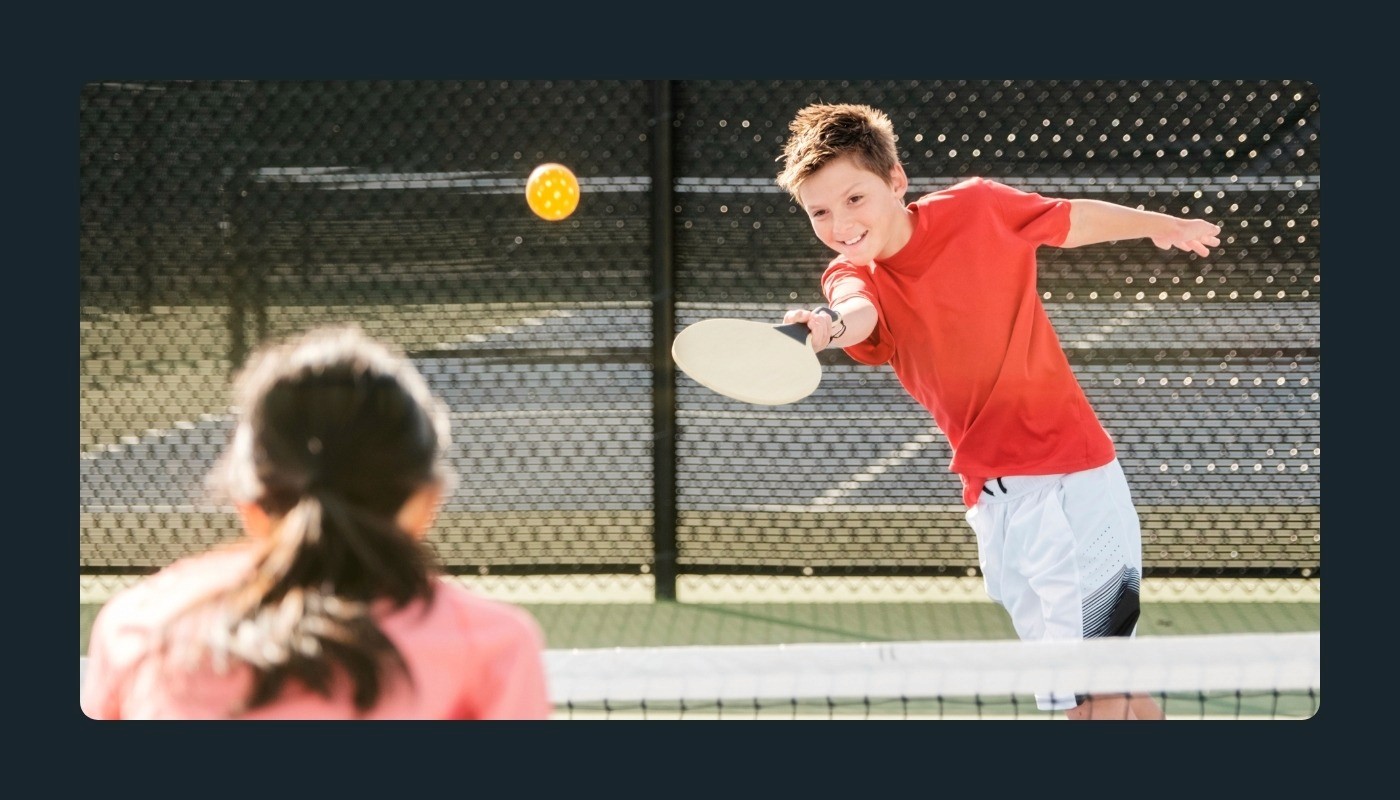
Most parents want their child to learn how to hit the ball. But footwork and coordination are the foundation every stroke depends on. A child who can move to the right spot, stop in balance, and track a moving ball is already ahead.
How Young Kids Develop Movement Skills
Children between ages four and seven are in a critical window for developing fundamental movement patterns. Tennis is especially good at building coordination because it asks kids to do several things at once: watch the ball, move their feet, and swing.
The Right Equipment for Young Players
Before jumping into drills, make sure your child has the right gear. The USTA's 10 and Under Tennis guidelines recommend red foam balls for ages 4 to 8, orange balls for ages 7 to 10, and green dot balls for ages 9 to 11. Age ranges overlap because ball choice depends on skill level. Pair those with a racquet sized for the child's height, usually 19 to 23 inches for younger players.
One more piece of setup: Spintip helps close that feedback gap. Place your phone behind the baseline, tap start, and let your child play. The app captures the full session and tracks how your child is moving and hitting during real play. You can send any point to a certified coach for feedback, or review it yourself point by point.
Download spintip for free and give your child a coach in their pocket.
Now, on to the drills.
Warm-Up Games to Get Kids Moving

Every session should start with a warm-up. Kids can pull muscles just like adults, especially with quick direction changes on cold legs.
Red Light, Green Light (Tennis Edition)
Line kids up on the baseline. "Green light" means run forward, "red light" means freeze, and "yellow light" means slow-motion shuffling.
Once kids are comfortable with the basic version, hand them a racquet and ball. Now they balance the ball on the strings while moving, and a dropped ball means going back two steps. Kids build listening skills, quick stops, balance, and body control with this game.
Shadow Tennis
Pair kids up. One child leads, performing split steps, side shuffles, and forehand swings without a ball. The partner mirrors every move.
Kids build court awareness, footwork patterns, and observation skills with this game.
Footwork Drills That Feel Like Games
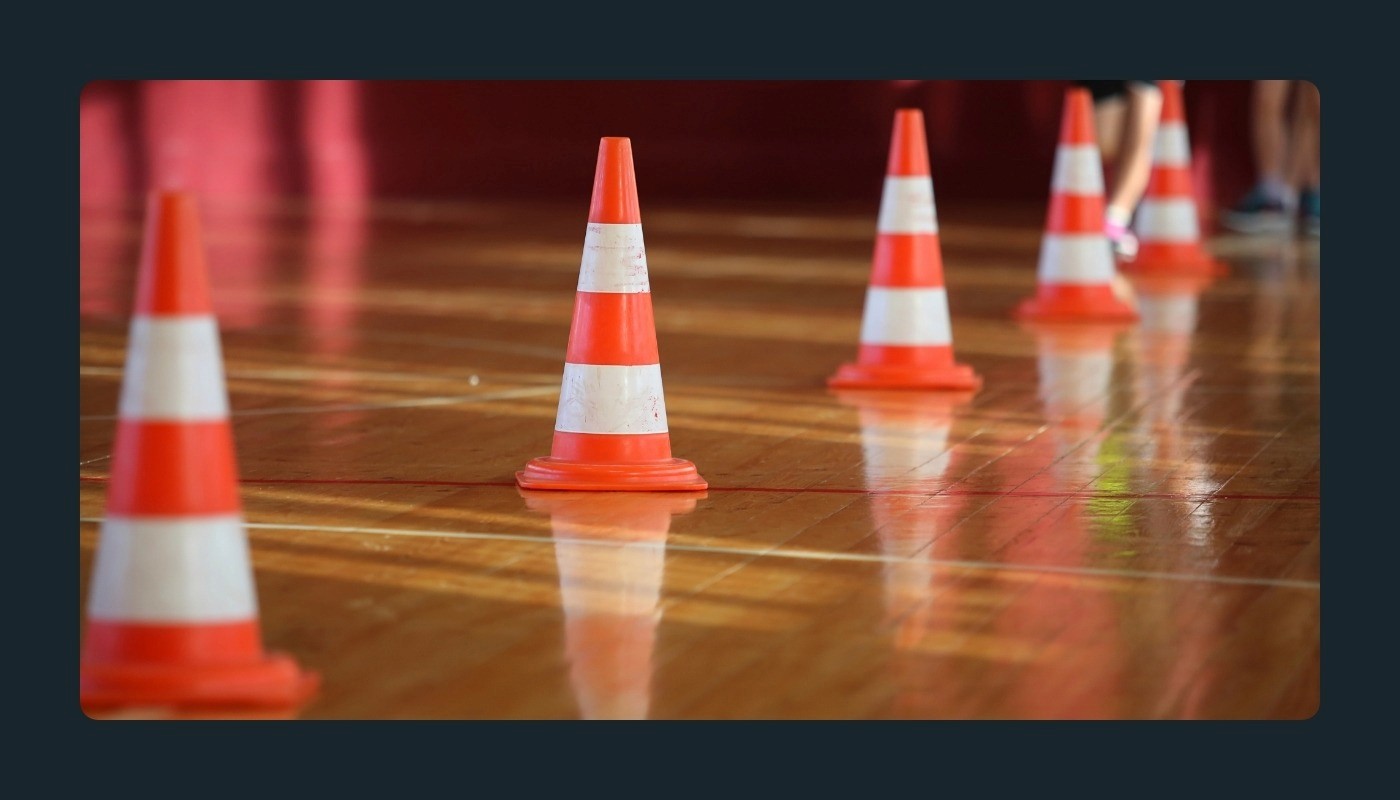
The best drills for young players don't feel like drills. When kids think they're playing a game, they run harder, focus longer, and learn faster.
Cone Weave Relay
Set up six to eight cones in a zigzag along the baseline, about three feet apart. Kids weave through using side shuffles, then sprint back. Turn it into a relay race with two teams, and kids will push themselves without being told.
Space cones 3 feet apart for younger kids, 4 to 5 feet for ages 7 to 10
Time each run and encourage personal bests
Kids build lateral movement, agility, and quicker direction changes with this drill.
The Spider Drill (Simplified for Kids)
The spider drill is a classic exercise from the USTA's youth development pathway. Place four tennis balls at the corners of the service box. The child starts at the center T, runs to grab one ball at a time, and brings each back. For younger children, use two balls and shorter distances. Older kids can use all four and be timed.
Kids build acceleration, deceleration, and the stop-and-start pattern tennis demands.
Coordination Games That Build Racquet Skills
Once footwork feels natural, you can start adding hand-eye coordination activities. A child who can track and contact the ball consistently is building the right skills for their age.
Balloon Rally
Replace the tennis ball with a balloon. Kids hit it back and forth, keeping it in the air as long as possible. Balloons move slowly, giving young children more time to react and swing. Programs offering tennis lessons for 4-year-olds and tennis lessons for 5-year-olds often start with balloons for this reason.
Start with one balloon per child (solo bouncing)
Progress to partner rallies
Add a "no feet moving" rule to challenge balance
Kids build racquet tracking, timing, and early rally awareness with this game.
Target Toss
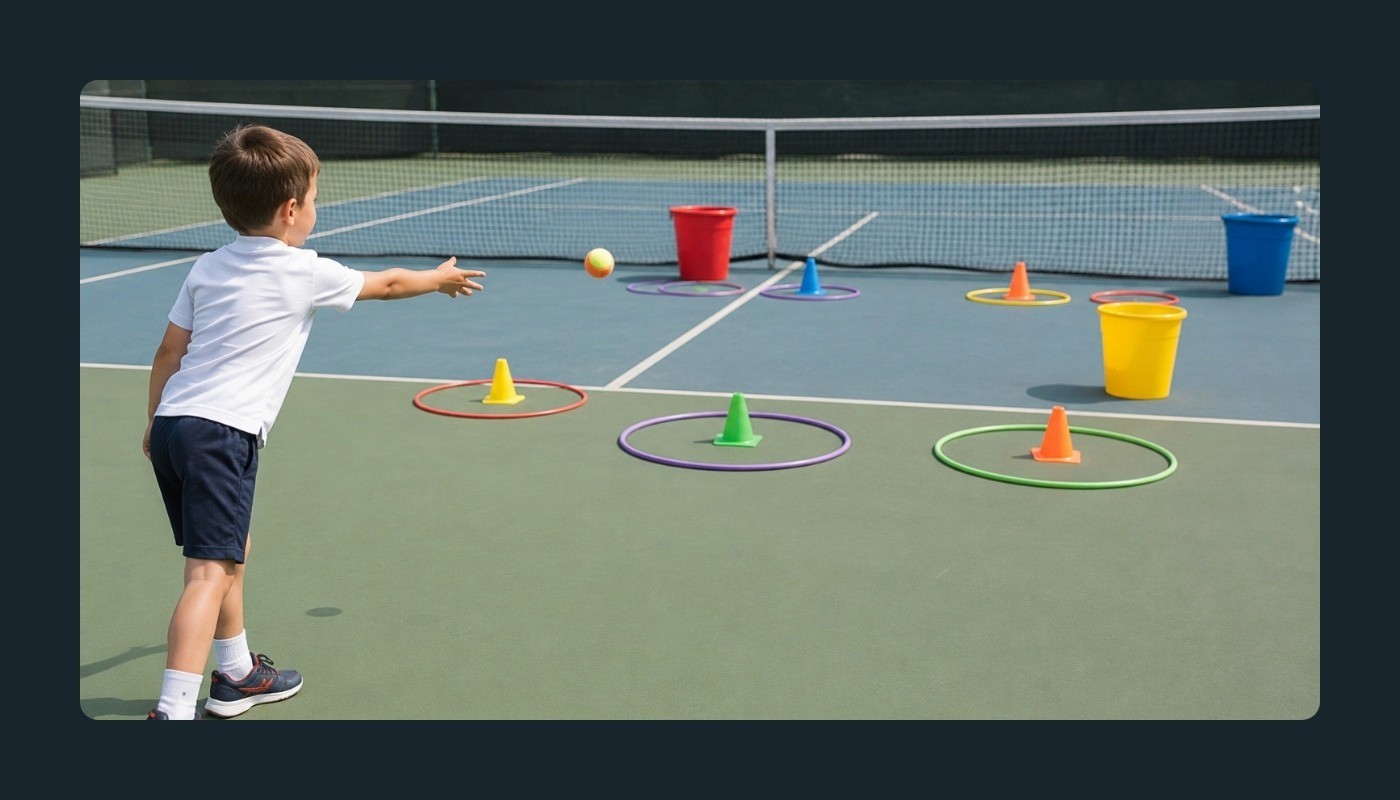
Set up cones, hula hoops, or buckets across the net (or on the ground if no net is available). Kids toss tennis balls underhand at the targets and earn points based on difficulty. After a few rounds, switch to hitting the ball off a bounce toward the targets. When introducing tennis for 6 year olds, keeping targets large and close builds early success.
Kids build aim and spatial awareness with this drill.
Bounce and Catch
Bounce and catch is one of the simplest and most effective tennis games for kids. A parent or coach bounces a ball to the child, who catches it after one bounce. Over time, progress from bare hands to catching with a cone, then to trapping the ball on the racquet.
Kids build ball tracking, bounce reading, and soft hands with this drill.
Putting Drills Together in a Session
A 30 to 45 minute session for kids ages 5 to 8 might include 5 minutes of warm-up, 10 minutes of footwork games, 10 minutes of coordination activities, 5 to 10 minutes of free play with modified balls, and a cool-down. Switching activities every 10 to 15 minutes helps younger kids stay focused.
Tips for Parents Running Drills at Home
You don't need a full court. A driveway, backyard, or park works fine.
Focus on effort and fun, not results
Keep corrections brief and encouragement frequent
Let kids record and review their own movement for a fun way to see progress
End every session on a positive note
How to Know When Your Child Is Ready for More
Children develop at different rates. Some are ready for structured lessons at five, while others click closer to seven or eight.
Here are a few signs that a child may be ready for more structured practice:
Consistent ability to track and contact the ball
Willingness to follow multi-step instructions
Enjoyment of friendly competition
Comfort with quick stops and direction changes
The USTA's Net Generation program uses a color-coded ball progression (red, orange, green, yellow) tied to age and skill readiness. Kids six and under typically start with red balls on a 36-foot court, while players seven and older move to orange balls on a 60-foot court.
Conclusion
Getting kids into tennis doesn't require expensive lessons or boring repetition. Start with movement games, add racquet challenges as coordination improves, and keep things feeling like play.
When you're ready to see how drills translate to real play, Spintip's on-device auto-calibration captures the session the moment you tap start. VIEWPOINT lets you swipe through every point with dead space removed for roughly 5x faster review, and PULSE tracks a performance number over weeks so progress becomes visible.
When a moment needs expert eyes, ANALYZE lets you send that clip to a certified coach whose response and action items get inscribed as subtitles into the video. SAGE, the continuously improving AI coach, adds tactical action items after every session.
Download spintip for free
What age should kids start tennis drills?
What are the best tennis drills for beginners under age 6?
How can I improve my child's footwork for tennis at home?
Do kids need a tennis court to practice drills?
What size racquet should a child use for tennis?

