Stefan Stefanov
Pickleball courts are showing up everywhere right now. Parks, rec centers, school gyms. If your child has not asked about the sport yet, they probably will soon. And when they do, you are going to want to know a few things before handing them a paddle and sending them out there.
The short answer is yes, kids can play pickleball, and most of them pick the basics up faster than adults do. The court is small, the paddle is light, the serve is underhand, and the ball moves slow enough for young players to actually track and hit. According to the Sports and Fitness Industry Association (SFIA), around 24.3 million Americans played pickleball in 2025, and the SFIA and Pickleheads report found that one million children under 18 started playing in 2023 alone. Can kids play pickleball and genuinely enjoy it? Absolutely. Here is what you need to know to get them started the right way.
Key Takeaways
Most children can start around ages four to five, with full gameplay clicking around ages eight to ten.
The sport may help build hand-eye coordination, balance, and social confidence.
Startup costs tend to be low, often under $50 for a paddle and a few balls.
Courts are increasingly available at parks, recreation centers, schools, and YMCAs nationwide.
What Age Can Kids Start Playing Pickleball?
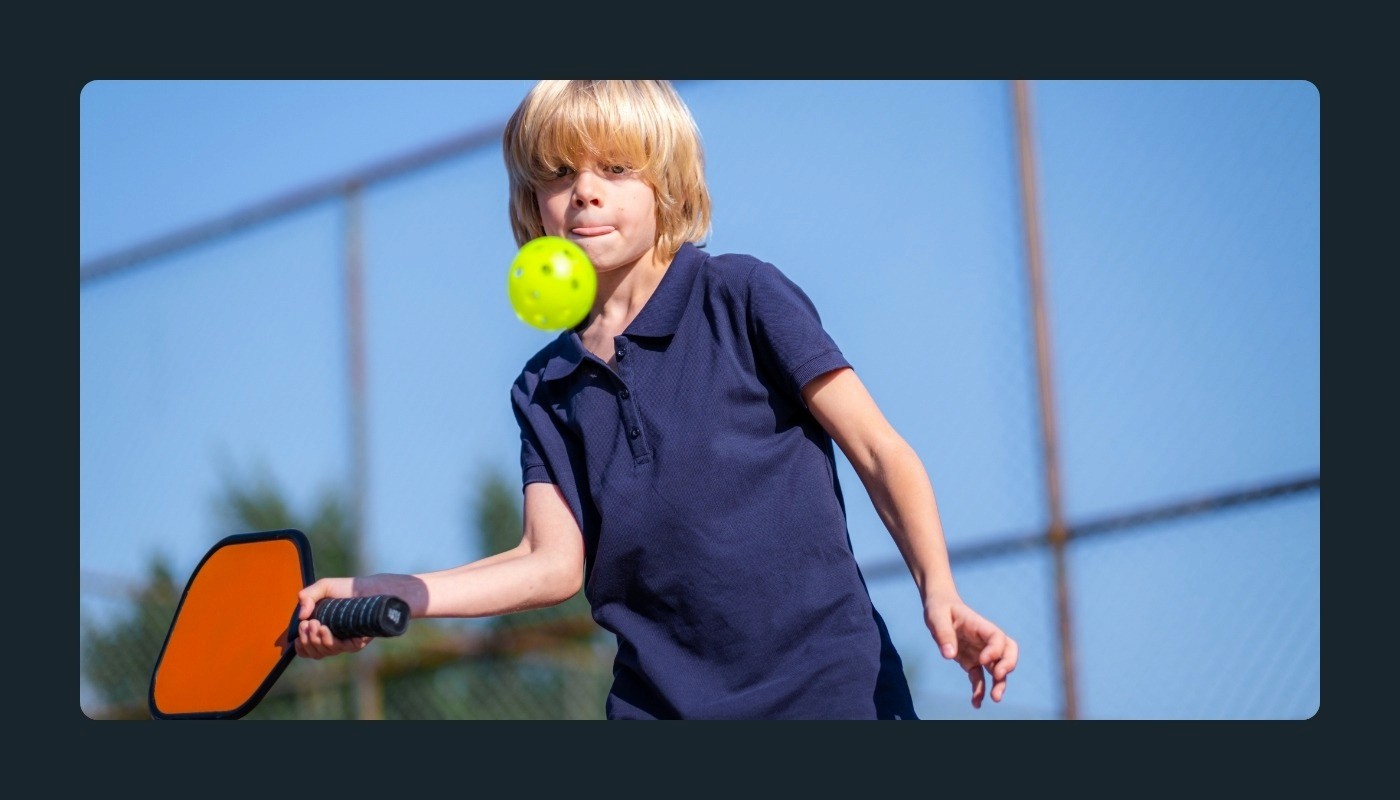
One of the first questions parents ask is whether their child is old enough. The good news is that no governing body sets an official minimum age. Readiness depends on your child's coordination, interest, and physical development, so a child who can hold a paddle and track a moving ball can begin learning.
Most youth coaches and junior pickleball programs recommend different approaches depending on age group.
Ages 4 to 5: Paddle Play and First Contact
At this age, the goal is simply getting comfortable with a paddle and a ball. Children between four and five are still developing gross motor skills, so keeping sessions short and playful matters most.
A lightweight paddle and a softer ball work best for small hands. Focus on having fun rather than following rules. Even 10 to 15 minutes of paddle play can build confidence.
Ages 6 to 8: Learning the Real Rules
Between ages six and eight, most children can understand the basic rules. The underhand serve, the double-bounce rule, scoring to 11, and the non-volley zone (often called "the kitchen") all click at this age.
Once those rules make sense, rallies become longer and more intentional. Many schools, parks, and recreation centers now offer beginner programs for young players in this age range.
Ages 9 and Up: Full Gameplay and Competition
Children around nine or older are generally ready for the full game. Coordination, stamina, and strategic thinking are developed enough to support real matches.
Organized competition for kids is growing fast. USA Pickleball has expanded its youth programming, and junior tournaments are now available across the country.
Reading a guide like this one is a great first step, but once your kid falls in love with the sport and starts playing regularly, you will probably notice something. You can watch from the sideline, cheer them on, and even rally with them, but you may not always know what specific advice to give when they want to get better. A certified coach who can see your child's actual rallies and point out exactly what to work on makes a difference that no article or YouTube video can match. Spintip gives your child that connection to a certified coach who can review their real game from anywhere in the world, while the app tracks performance on every point so you can watch genuine progress over time.
Download Spintip for free and connect your child to a coach.
Why Pickleball Works Well for Kids
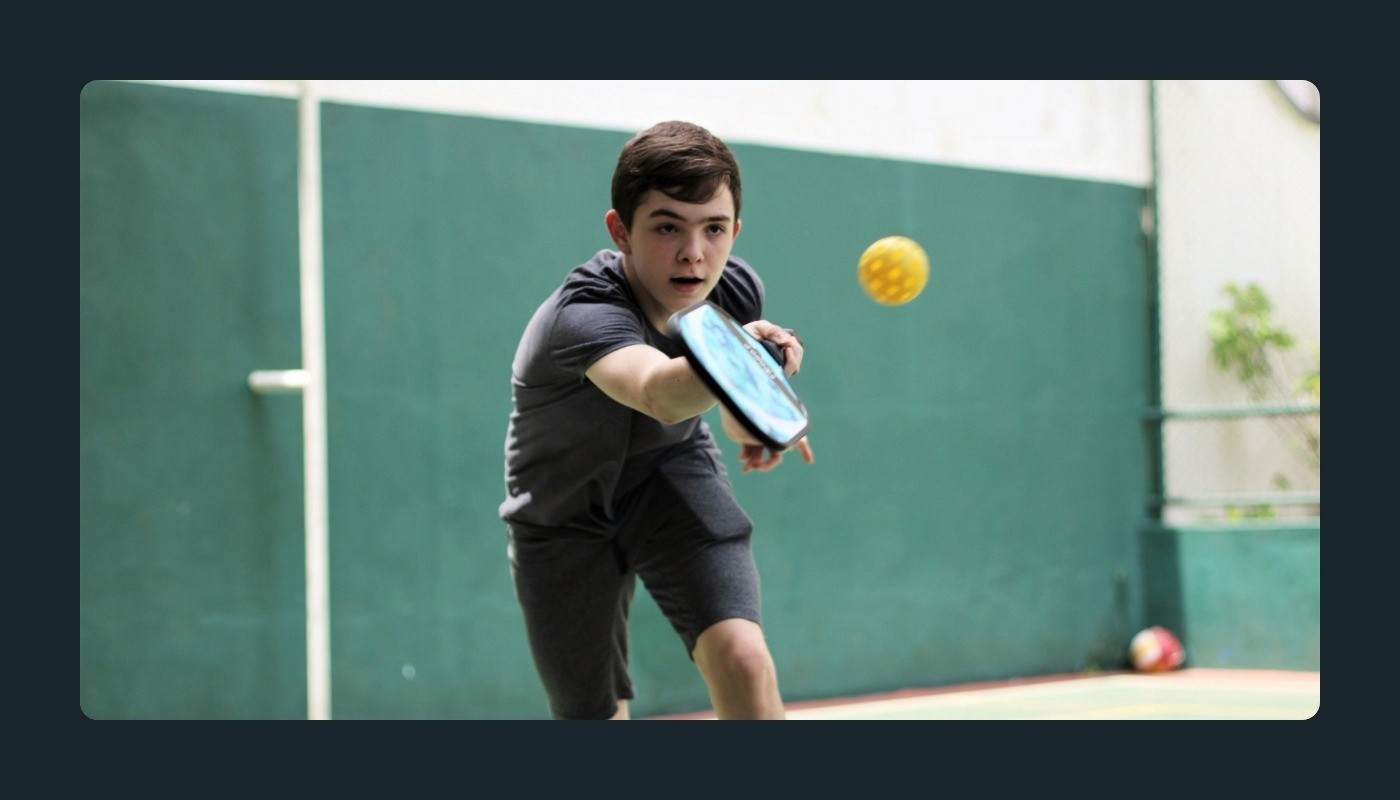
So what makes pickleball easier for kids than other racquet sports? A lot of it comes down to size. The court measures 20 by 44 feet, less than half the size of a standard tennis court, which means less running and quicker rallies. The paddle is lighter than a tennis racket, and the ball moves slower, giving kids more time to react.
Physical Benefits
Playing regularly can help a child's body in ways that feel natural rather than forced. Coordination, balance, and agility all develop through the simple act of tracking a ball and moving to meet it. The underhand serve also removes the overhead mechanics that can strain young shoulders.
The CDC's physical activity guidelines recommend that children ages six through 17 get at least 60 minutes of moderate-to-vigorous physical activity daily. A game of pickleball can contribute to that goal while keeping kids engaged through fun.
Social and Emotional Growth
Pickleball is primarily a doubles game, which means kids are constantly communicating with a partner. Calling shots, encouraging each other after mistakes, and working as a team can build social confidence and sportsmanship. The sport also tends to be forgiving for beginners, since mistakes rarely end a rally immediately and the pace allows time for adjustment.
What Equipment Do Kids Need?
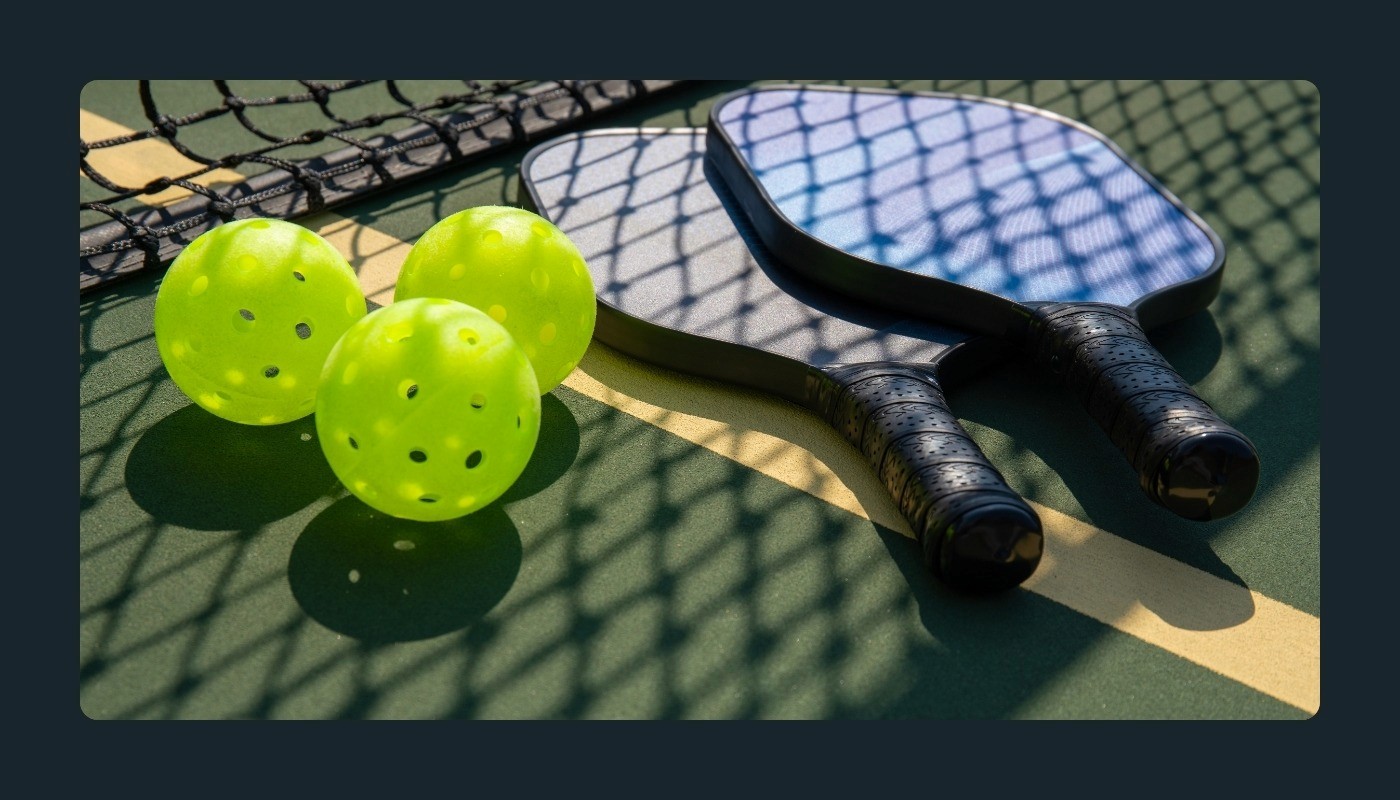
Getting started with pickle ball for kids requires very little gear:
A lightweight paddle. Look for paddles under 7 ounces with a smaller grip designed for children's hands.
Pickleballs. A pack of outdoor or indoor balls costs around $10 to $15. Indoor balls are lighter, which may be better for very young players.
Court shoes. Sneakers with lateral support are important. Running shoes lack side-to-side stability for court movement.
Eye protection (optional but recommended). The ball can move fast during competitive play.
Total startup cost for a child typically runs between $30 and $60.
How to Introduce Your Child to Pickleball
A child who feels overwhelmed during their first session may lose interest quickly. Here are a few approaches that work well.
Keep the First Sessions Short and Fun
Aim for 15 to 20 minutes with younger children and 30 to 45 minutes with older ones. End on a high note rather than pushing through frustration.
Teach the Basics One at a Time
Avoid covering every rule on day one. Start with the grip and ready stance, then move on to the underhand serve. Add the double-bounce rule and kitchen zone once those feel comfortable.
Play Together as a Family
One of pickleball's biggest strengths is that parents and kids can genuinely play together on the same court. The kitchen rule limits aggressive net play, which narrows the gap between adult power and a child's developing swing.
Where to Find Courts and Pickleball Lessons for Kids
Finding a place to play is easier now than even a few years ago. According to the USA Pickleball Annual Growth Report, there are now over 82,600 courts across more than 18,000 locations in the United States.
Common places to look:
Public parks. Many parks have added pickleball lines to existing tennis courts or built dedicated courts.
Recreation centers and YMCAs. Indoor courts offer consistent conditions, ideal for beginners.
Schools. More schools are adding pickleball to PE curricula and after-school programs.
Private clubs. Some offer structured pickleball lessons for kids in group or semi-private formats.
Search for courts near you or through the USA Pickleball Places2Play database. Many locations offer free drop-in sessions or loaner equipment.
Safety Tips Every Parent Should Know

Pickleball is a low-impact sport with a lower injury risk than contact sports. A few precautions can help keep kids safe on the court.
Warm up before playing. Light jogging and dynamic stretches for about five minutes can prepare muscles and reduce strain.
Wear proper shoes. Court shoes with lateral support are essential. Running shoes and sandals lack the stability needed for quick side-to-side movement.
Stay hydrated. Schedule water breaks every 15 to 20 minutes, especially during outdoor play in warm weather.
Use age-appropriate paddles. A paddle that is too heavy can strain a child's wrist and arm.
Learn court awareness. Teach kids to communicate with their partner and watch for other players on adjacent courts.
Conclusion
Once your child starts playing regularly and wants to improve, Spintip can help bridge the gap between casual play and real progress. Place your phone on a tripod behind the baseline, press start, and let your child play. The app auto-calibrates the court and records the session with zero additional setup.
Once the session ends, VIEWPOINT lets you swipe through every point, with dead space removed for roughly 5x faster review.
PULSE tracks a live performance number point by point, so parents can watch progress curves over a full season.
SAGE, the continuously improving AI coach, delivers action items after each game for moments when no coach is on court. When your child wants expert guidance on a specific point, ANALYZE lets them record a question, send the clip to a certified coach, and receive a response with feedback inscribed as subtitles, all for $1.99 per minute. After every match, one-tap AI-generated highlights create ready-to-share clips your child can post in seconds.
Download the Spintip app for free and give your child a tool that grows with their game.
What is the best age for kids to start playing pickleball?
Do kids need special equipment to play pickleball?
Is pickleball safe for young children?
How much do pickleball lessons for kids typically cost?
Where can I find pickleball courts near me?


