Stefan Stefanov

If you have ever watched experienced pickleball players at the net, you have probably noticed them trading soft, low shots back and forth. Those shots are called dinks, and they are one of the most important skills in the sport. A dink may look simple, but getting the technique right takes focused practice.
The good news is that once you understand what a dink is, how to hit one, and when to use it, your game at the kitchen line can improve quickly. Here is everything you need to know.
What a Dink Actually Is
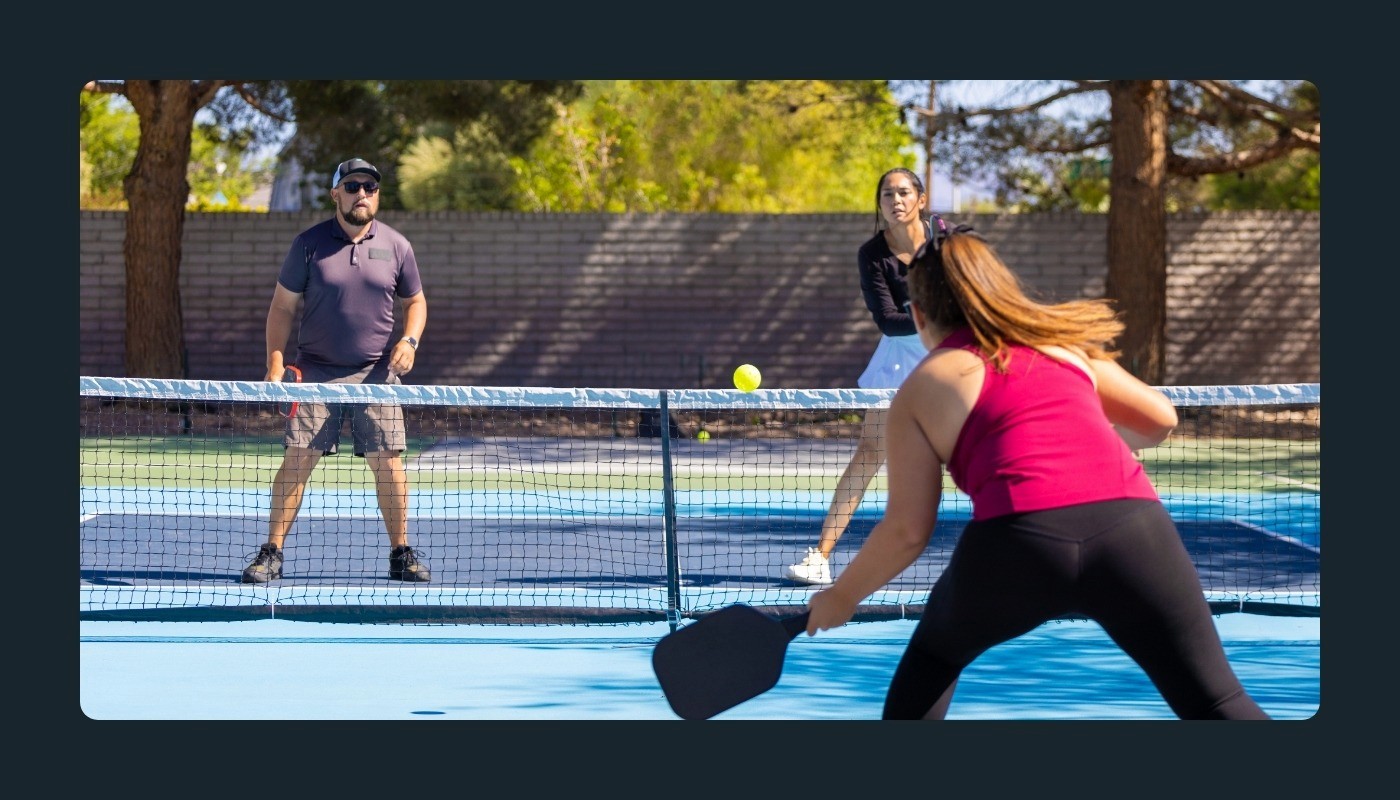
So what is a dink in pickleball? A dink is a soft, controlled shot that arcs over the net and lands in your opponent's non-volley zone, also called the "kitchen." USA Pickleball describes the dink as a shot hit from the kitchen line that bounces in the opposing kitchen, either straight across or diagonally crosscourt. The swing is compact and controlled, with movement from the shoulder and minimal backswing.
The kitchen is the 7-foot area on each side of the net, stretching 20 feet wide from sideline to sideline. Because of the non-volley zone rules, players cannot hit a volley (a ball struck out of the air) while standing in or touching the kitchen. A well-placed dink forces your opponent to let the ball bounce before returning it, which limits their ability to attack.
A few key things to keep in mind about the pickleball dink:
A good dink lands in your opponent's kitchen, making it very difficult for them to attack without stepping into the non-volley zone.
The shot is hit softly with an upward lifting motion, not a hard swing.
The ball is allowed to touch the net, as long as it lands in the correct zone.
The dink's meaning is straightforward: a controlled, soft shot designed to keep the ball low and unattackable.
Why the Dink Matters So Much
Pickleball points are often won and lost at the kitchen line. The player or team that controls that area of the court tends to control the rally. Dinking is the skill that makes this possible.
Slowing the Pace
When your opponents are hitting hard and fast, a well-placed dink can slow the rally down and take away their power. Instead of a speed battle, the point becomes about placement and patience.
Creating Openings
A series of consistent dinks can move your opponent out of position. A cross-court dink pulls them wide, and a follow-up to the middle or the opposite side can create an opening for a put-away shot.
Forcing Errors
Many players, especially at the beginner and intermediate levels, struggle with soft shots near the net. Consistent dinking pickleball rallies can pressure your opponent into hitting the ball too high, giving you a chance to attack.
How to Hit a Dink: Step-by-Step Technique
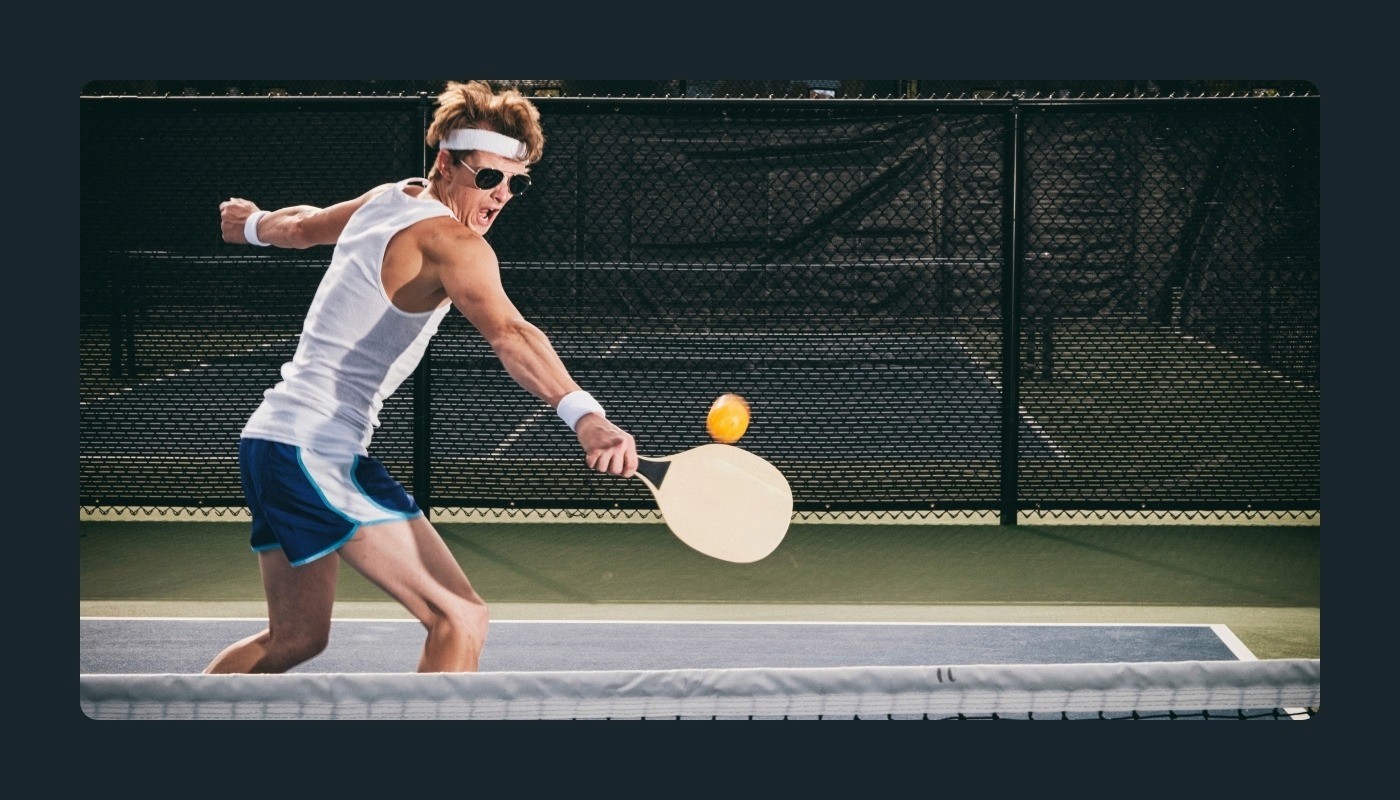
Good dink technique starts before you even swing the paddle. Here is how to build each part of the shot.
Step 1: Get Into the Ready Position
Stand at or just behind the kitchen line with a slight bend in your knees. Keep your paddle out in front of your body at about chest height. Your weight should sit on the balls of your feet so you can move in any direction. After every shot, recover back to this position.
Step 2: Use a Soft Grip
One of the most common mistakes is gripping the paddle too tightly. A tight grip sends tension through your arm and into the paddle face, which often creates pop-ups that your opponent can attack.
On a scale of one to 10, aim to hold the paddle at about a three or four. A lighter grip gives you more touch and control. You want the paddle to feel relaxed in your hand, not locked in a death grip.
Step 3: Contact the Ball in Front of Your Body
Aim to hit each dink in front of your body. When you hit the ball to the side or behind you, the shot tends to pop up or go off target.
If the ball lands deep and pushes you back, step back to create space, but still make contact in front of you. After the shot, move forward and recover to the kitchen line.
Step 4: Swing From Your Shoulder, Not Your Wrist
A smooth, repeatable dink tends to come from your shoulder, legs, and core. Excessive wrist movement adds too many variables and can make consistency harder.
Keep your backswing short and compact. Your paddle only needs to go back a few inches before you push forward with a gentle lifting motion. The lift is what carries the ball over the net softly.
Learning what a dink is is only the beginning. To improve your control, consistency, and shot placement, you need feedback from a certified coach who can see your game. SpinTip lets you connect with expert pickleball coaches, review your technique with video analysis, and receive personalized insights to help you play with more confidence.
Step 5: Follow Through Low and Forward
Your follow-through should be minimal and directed toward your target. After contact, let the paddle finish out in front of you, pointed toward where you want the ball to land. A short, controlled follow-through keeps the ball low over the net.
When to Use a Dink
Knowing when to dink is just as important as knowing how. Here are the most common situations where dinking pickleball exchanges give you an advantage.
Both Teams Are at the Kitchen Line
When all four players are positioned at the net in doubles, the rally usually turns into a dink exchange. Trying to hit hard from that close range is risky because the ball can come right back at you even faster. Patient dinking is often how advanced points are built from this position.
After a Successful Third Shot Drop
When the serving team hits a third shot drop into the kitchen, and moves forward, a dink exchange usually follows. The goal is to maintain your position at the net while waiting for a ball you can safely attack.
When You Are Under Pressure
If your opponent is hitting hard and you are scrambling, a soft dink or reset into the kitchen can neutralize their attack. Getting the ball low over the net and back into the kitchen gives you time to recover and get back into the rally.
When You Want to Move Your Opponent
Targeted dinks, especially crosscourt or to the middle between two opponents, can pull players out of position. Alternate between wide crosscourt dinks and shots down the middle to create confusion and open up the court.
Three Drills to Improve Your Dink
Cooperative Dinking
Stand at the kitchen line across from a partner. Dink back and forth, focusing purely on keeping the ball low over the net and landing it in the kitchen. Start with straight-ahead dinks, then move to crosscourt. Try to maintain a rally of 20 or more consecutive dinks without an error.
Focus on:
Soft grip pressure
Contacting the ball in front of your body
Returning to the ready position after every shot
The Target Drill
Place a small marker (a towel, cone, or water bottle) in your partner's kitchen. Dink back and forth and try to land the ball as close to the marker as possible. Your partner does the same with a target on your side.
A target gives you something specific to aim for, which can improve placement faster than hitting without purpose. You can also move the target to different spots in the kitchen to practice varying angles.
The Figure 8 Drill
In the Figure 8 drill, one player dinks crosscourt while the other dinks straight ahead, creating a figure-eight pattern. After a set amount of time, switch roles.
A Figure 8 pattern forces you to practice hitting to different locations while adjusting your footwork. You develop better court awareness and learn to place the ball with intention rather than just getting it over the net.
Common Mistakes to Avoid
Even players who understand what dinking means in pickleball can fall into bad habits. Here are the most frequent mistakes.
Standing Too Far From the Kitchen Line
The kitchen line is the best real estate on the court. When you stand too far back, you give your opponent more angles and more space to work with. Stay right at the line whenever possible, and only step back briefly for deep balls before recovering forward.
Taking Too Big a Backswing
A large backswing generates more power than you need for a dink, which can lead to pop-ups and missed shots. Keep your swing short, compact, and controlled.
Using Your Wrist Too Much
Wrist flicks can create inconsistency. Using your shoulder and legs for the dink motion tends to produce a more repeatable shot. Save the wrist action for speed-up shots when you are ready to attack.
Conclusion
A solid dink technique can be a game changer at the kitchen line. Once you build good habits with your grip, contact point, and swing, you may notice fewer pop-ups and more controlled rallies in every match.
Spintip makes it easy to review exactly how your dinks are landing. Place your phone behind the baseline, tap Start, and go play. After your session, VIEWPOINT removes the dead space and lets you swipe through every dink exchange at up to 10x speed, with each point tagged as a win, loss, or error. PULSE tracks a live performance number so you can see whether your net game is trending up or down across a match. And when you spot a dink rally where you are not sure what went wrong, pick that point, record your question on the clip, and send it to a certified coach through ANALYZE for affordable, per-minute feedback.
Download Spintip for free and start reviewing your pickleball game today.
What is a dink in pickleball?
Why is dinking so important in pickleball?
How hard should I grip the paddle when dinking?
Can you step into the kitchen to hit a dink?
What is the best drill for improving my dink?


