Stefan Stefanov

Playing more games is fun, but games alone may not fix the habits holding you back. Structured pickleball drills target specific weaknesses so you can build real consistency on the court. Whether you just picked up a paddle last month or you compete in local tournaments every weekend, the right drills can make a noticeable difference in how you play.
Below are 10 drills organized from simple to complex. If you have been wondering how to get better at pickleball, the answer usually comes down to targeted repetition. Each drill works on a core skill you need during actual matches. A paddle, a few balls, a partner, and a court are all you need to get started.
Reading blogs and watching YouTube can teach you the right drills, but nothing replaces a certified coach who sees your actual form, your real mistakes, and tells you exactly what to fix. Practicing a third shot drop 100 times with a bad paddle angle just grooves a bad habit. Spintip bridges that gap. Record your drill session, get performance insights on your actual play, and send any point to a certified coach for personalized feedback.
Download Spintip for free and connect with a coach.
10 Pickleball Drills to Build Your Game From the Ground Up
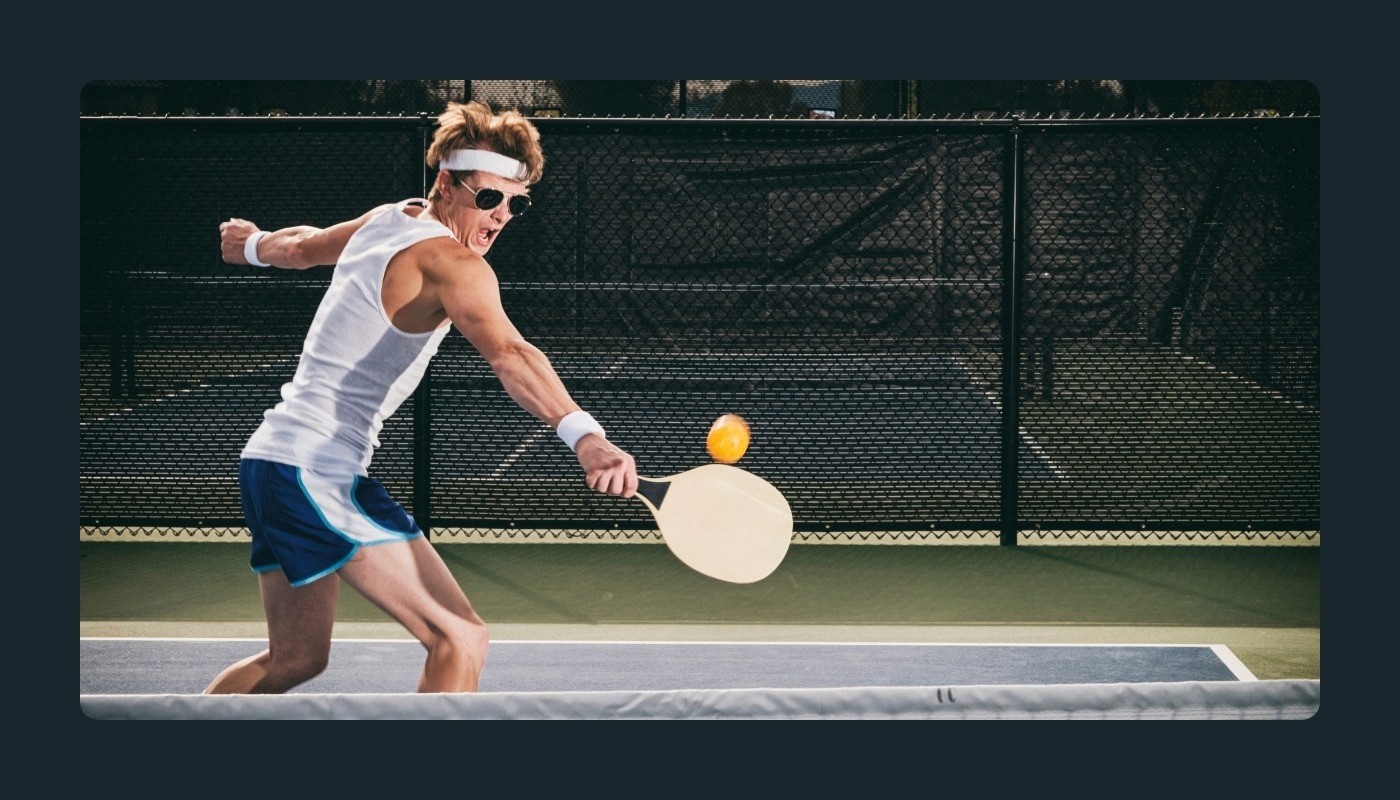
Every drill on this list addresses a specific part of the game. The first few focus on touch and control, while the later drills add pressure and decision-making. Working through them in order can help you build a strong foundation before layering on complexity.
Drill 1: Dink Warm-Up
A good pickleball practice session starts with controlled, low-pressure rallies at the kitchen line. Stand across from a partner at the non-volley zone and dink the ball back and forth, focusing on keeping each shot low over the net.
The goal here is not to win points. Focus on smooth footwork, paddle control, and placing the ball softly into the kitchen. Spend at least five minutes on this before moving to anything else.
Drill 2: Crosscourt Dink Rally
Once you feel loose from the warm-up, shift to crosscourt dinking. Stand diagonally across from your partner and rally dinks from one side of the kitchen to the other.
Crosscourt dinks are a fundamental pattern in doubles play. Hitting at an angle gives you more net clearance and a longer target area, which may help you place the ball more precisely. Try to keep a rally going for 20 or more shots without a miss, then switch sides so you practice from both the forehand and backhand.
Drill 3: Target Serving
Serving may seem basic, but consistent placement from the service line can change how points start. Grab a basket of balls (or collect 10 to 15 balls on your side) and serve them all from one side of the court.
Pick a target area, such as deep to the backhand corner or just inside the baseline. Aim for that spot with every serve. Once you finish, switch to the other side of the court and repeat. Focused serve repetition tends to improve accuracy faster than serving casually during games.
Key things to work on:
Depth (keeping the serve deep in the box)
Placement (aiming left, right, or at the body)
Consistency (how many out of 10 land where you want them)
Drill 4: Third Shot Drop
The third shot drop is one of the most important shots in pickleball for players looking to advance beyond the beginner stage. According to USA Pickleball, the drop serves as a strategic bridge between the baseline and the kitchen line, helping the serving team safely move to the net where most points are won (usapickleball.org). A good drop lands softly in the kitchen, giving you time to move forward.
Have your partner stand at the kitchen line. Position yourself behind the baseline. Hit drop shots crosscourt, aiming to land them in the kitchen. Your partner returns the ball deep to you, and you hit another drop. Stay behind the baseline for this drill and focus purely on getting the arc and softness right. Work toward hitting 10 clean drops in a row before switching roles.
Drill 5: Two-Tap Volley Drill
Touch and control at the net often separate recreational players from more competitive ones. Stand at the kitchen line across from your partner and volley the ball back and forth. When the ball comes to you, tap it up to yourself once before sending it back.
The self-tap forces you to soften your hands and absorb pace before redirecting the ball. Maintaining a rally with this extra touch can improve:
Soft hands and paddle feel
Reaction time at the net
Ball control during fast exchanges
Once you get comfortable, try speeding up the rallies gradually.
Drill 6: Transition Zone Resets
The transition zone, the area between the baseline and the kitchen line, is where many players struggle the most. Moving through this space without popping the ball up takes patience and practice.
Have your partner stand at the kitchen line and hit balls at your feet while you stand in the transition zone. Your job is to reset the ball, meaning you hit a soft shot back into the kitchen that takes pace off the rally. Try to hit at least three successful resets before stepping forward to the kitchen line.
Staying low with your knees bent and keeping your paddle out in front of your body can help you absorb the incoming pace more effectively.
Drill 7: Skinny Singles
Skinny singles is a half-court game, most commonly played crosscourt. You and your partner each use only one diagonal half of the court. Play points out using rally scoring, and go to five or seven points before switching sides.
Playing on a narrower court forces you to place your shots with precision. Skinny singles may be the single best drill for building court awareness, shot selection, and movement because every skill comes into play at once.
Drill 8: Serve and Return Game
One player serves deep, and the other returns from behind the baseline. After the return bounces and the serving team plays their third shot, both players play out the point freely.
The server works on serve placement and depth. The returner works on deep, consistent returns and approaching the net. Alternate roles every five points. Adding game-like pressure to your serving and returning can help both shots feel more natural when you play real matches.
Drill 9: Lob and Recovery
During a normal dink rally, one player lobs the ball over the opponent's head without warning. The lobbed player lets the ball bounce, tracks it down, and plays out the point.
Lobs happen frequently in recreational and intermediate play. Practicing your response to unexpected lobs builds:
Backward movement and footwork
Overhead shot confidence
Mental readiness for sudden changes in rally pace
The element of surprise makes this drill effective. You never know when the lob is coming, so you stay alert for every single shot.
Drill 10: Pattern Play and Points
Pattern play combines two or more shots into a sequence that mirrors real game situations. For example, one player serves deep, the returner hits a drop, the server drives, and then both players dink it out at the net.
Set up a specific pattern and run through it five times. After the pattern finishes, play out the point freely. Patterns train your muscle memory for common pickleball scenarios so you can react without overthinking during a match. A few examples to try:
Serve, return, drop, dink rally
Drive, reset, dink, speed-up
Lob, overhead, reset, dink
How to Get the Most Out of Your Drilling Sessions
Spending even 20 to 30 minutes drilling before open play can make a real difference over time. A few pickleball tips that may help you stay focused during practice:
Pick two or three drills per session instead of rushing through all 10. Quality repetition matters more than quantity. Match your drill selection to whatever felt weakest during your last few matches. And if possible, record your sessions so you can review your form and shot selection afterward. Seeing your own footwork on video often reveals habits you can't feel in the moment.
Conclusion
Consistent, focused drilling can be one of the fastest paths to real improvement, no matter your current level. Combine structured practice with regular match play, and you will likely notice your consistency, shot selection, and court positioning start to improve.
If you want to take your practice sessions even further, Spintip can help. Place your phone on a tripod behind the baseline, tap Start, and go play. The app auto-calibrates for pickleball instantly, and a complete game review is ready the moment you press Stop, with no uploads and no waiting.
VIEWPOINT lets you swipe through every point with dead space removed, so you can review a full session roughly 5x faster than scrubbing raw video.
PULSE gives you a performance number for each point and a live trend graph to track your consistency across sessions.
SAGE, the app's continuously improving AI coach, delivers a post-game summary of weaknesses and action items, so you know exactly what to drill next time. And when you want expert eyes on a specific shot.
ANALYZE lets you pick that point, record your question, and send it to a certified coach who responds with personalized video and voice feedback. Download Spintip free and start reviewing your game after every practice.
Download Spintip free and start reviewing your game after every match.
What are the best pickleball drills for beginners?
How long should a pickleball drilling session last?
Can I practice these drills alone?
How often should I drill versus just playing games?
What is the most important skill to practice in pickleball?


